Āsana 101: Piñcha MayūrāsanaPeacock Feather Pose (Forearm balance)
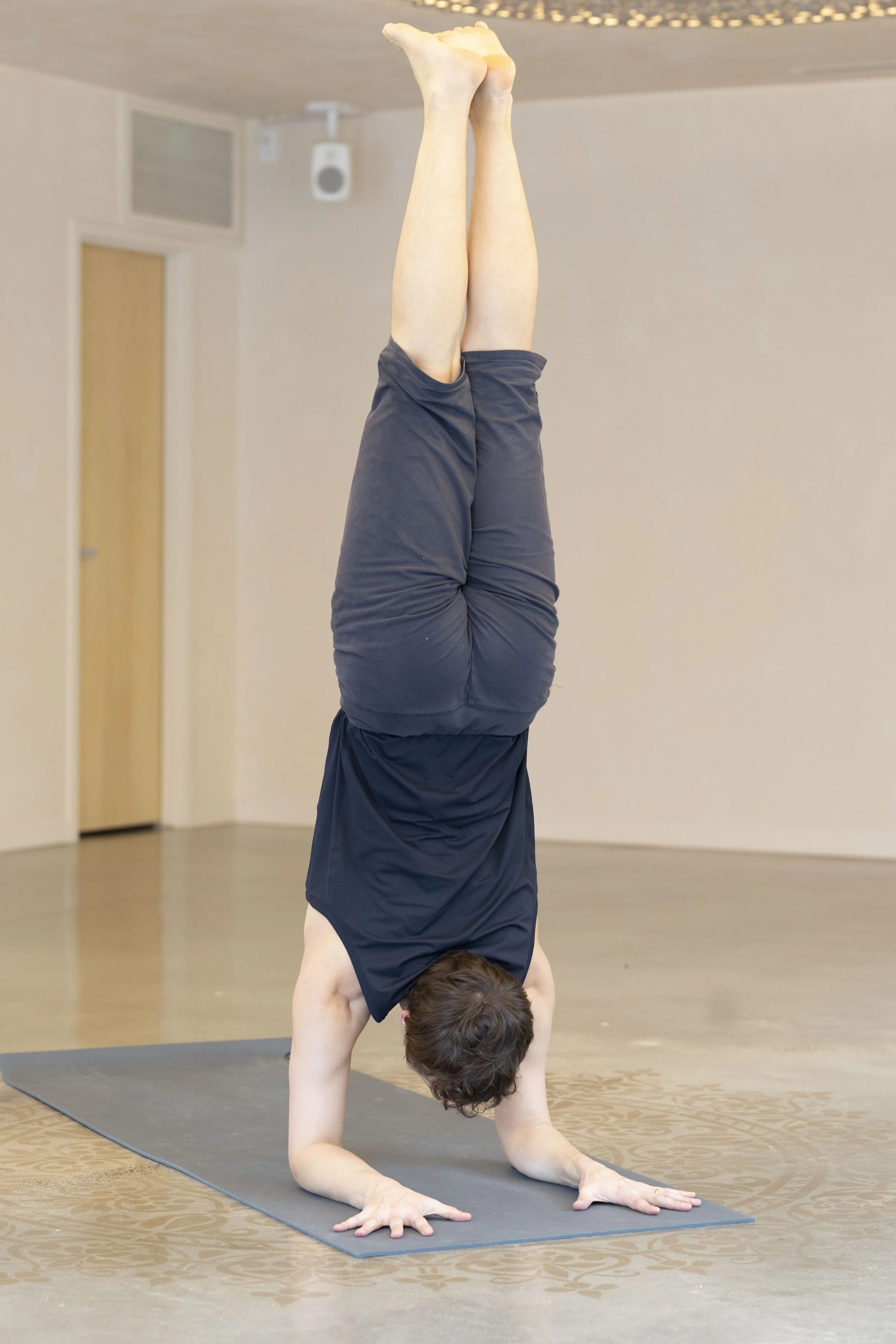
Piñcha Mayūrāsana is a posture in the Intermediate or Second Series of Ashtanga Vinyāsa. It is an elegant inverted āsana that involves balancing on the forearms and bringing the outstretched legs together, as they float high in the sky--which legs love to do. Your shoulders need to be quite open and strong at the same time, so keep practicing movements that help you achieve those results if you want to learn Piñcha Marūrāsana. In the beginning (and always) it is perfectly acceptable to use the wall to get better acquainted with the pose. We have detailed some ways to work both with the wall and eventually (maybe) free-standing. Try these micro practices to start learning or to refine your Peacock Feather Pose.
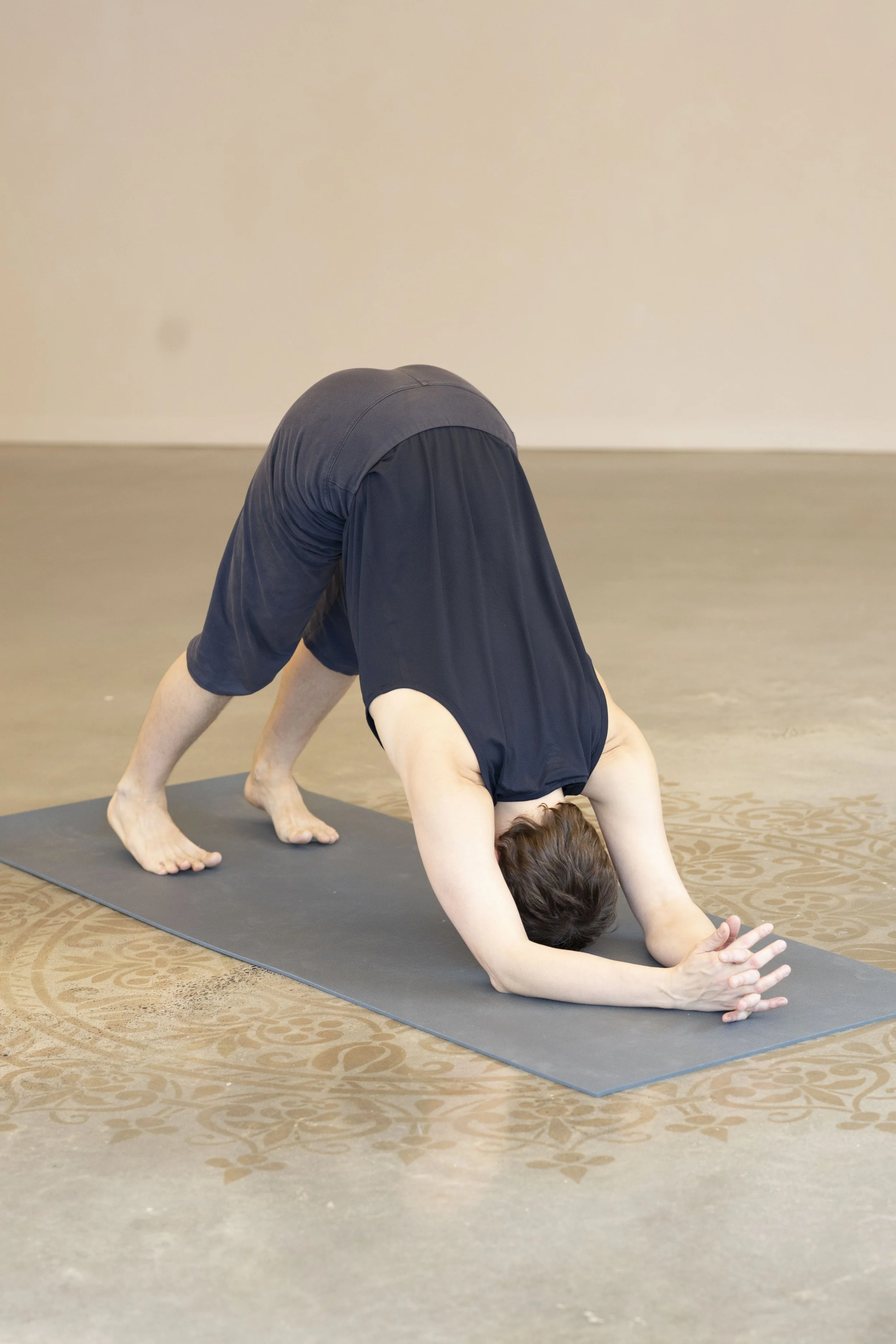
The Dog Headstand
To prep your shoulders and get a sense of grounding through your elbows with āpana, practice a cycle of The Dog Headstand. Keep your head off the ground in regular Downward Facing Dog form, but have your arms in the Headstand or Śirsāsana position. Breathe in this position, feeling the wrapping of your shoulder blades by activating your serratus anterior muscles.
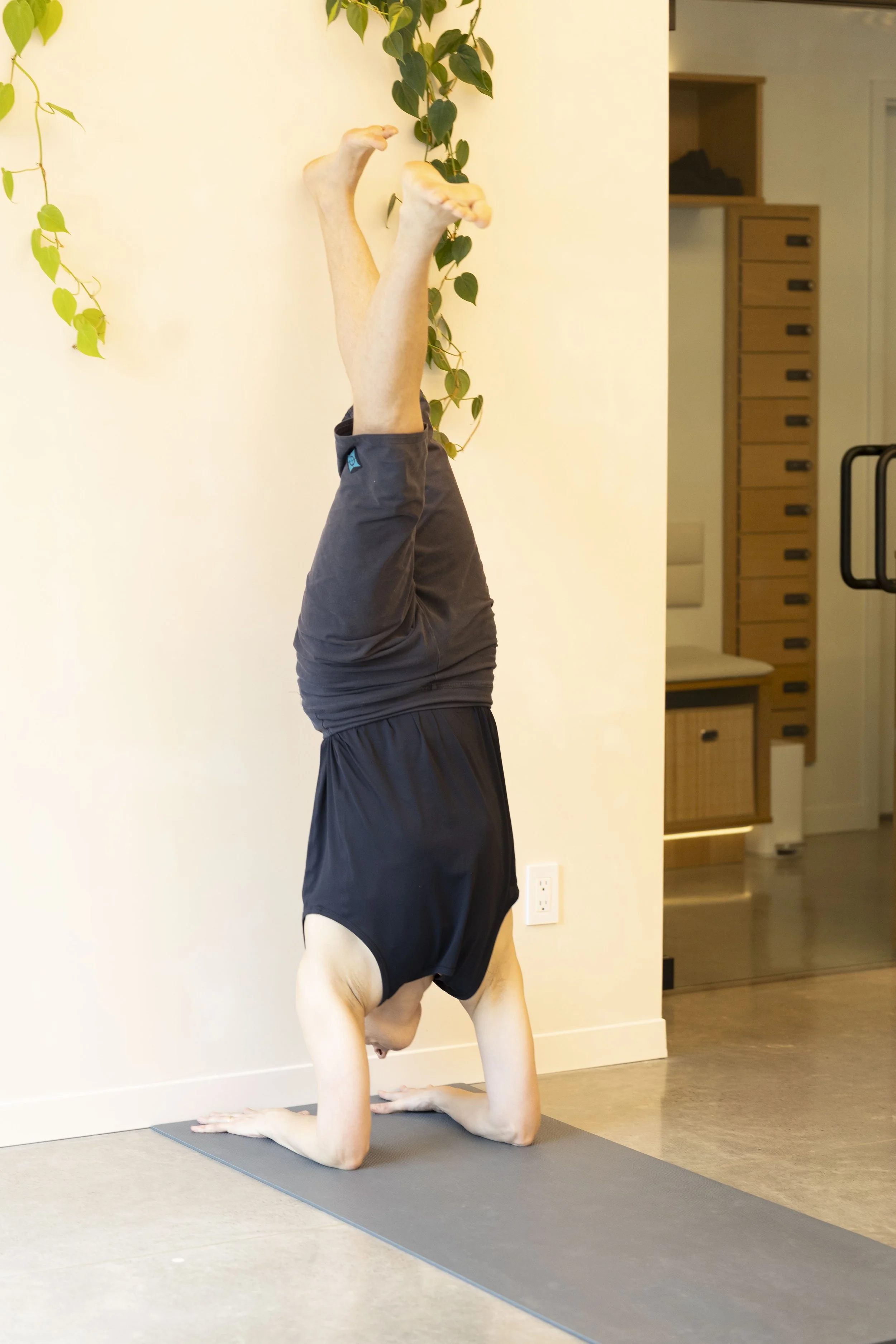
Piñcha Mayūrāsana
(at the wall)
Place your forearms perfectly parallel to one another, bringing your outstretched hands to touch the base of the wall. Keep your head up and your dṛṣṭi forward, gazing softly between your elbows or between your forearms. Then practice kicking one leg up all the way to touch the wall with your heel, and see if you can invite the other leg up there too.
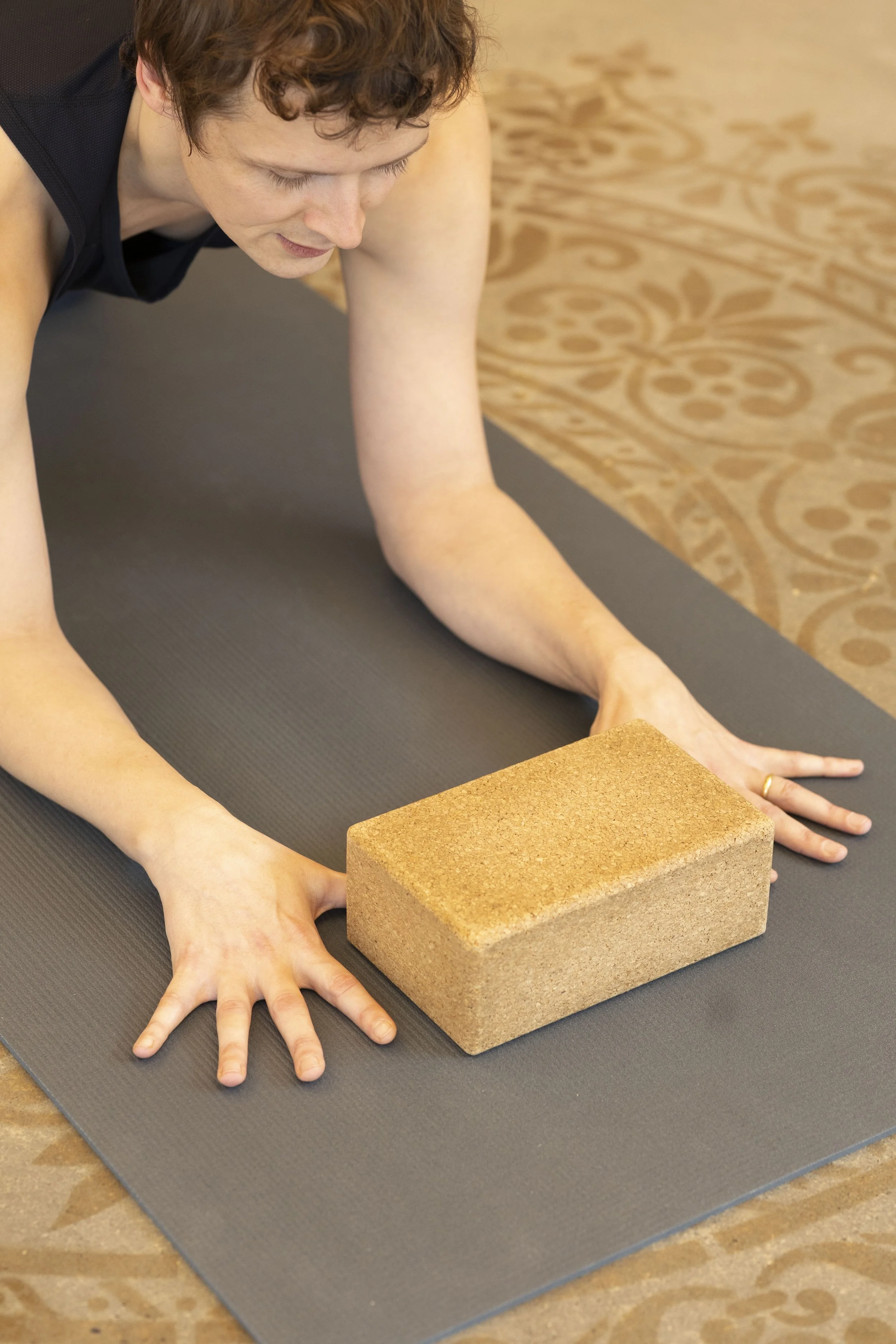
Piñcha Mayūrāsana
(with a block)
In the beginning, it will be difficult to keep your forearms parallel, so using a block can be useful for learning purposes. Place a block at the front of your mat and then stretch open your hands so that your thumbs and index fingers come close to the corners of the block--but do not touch. Once you have gained more confidence, try Piñcha Mayūrāsana without a wall!